
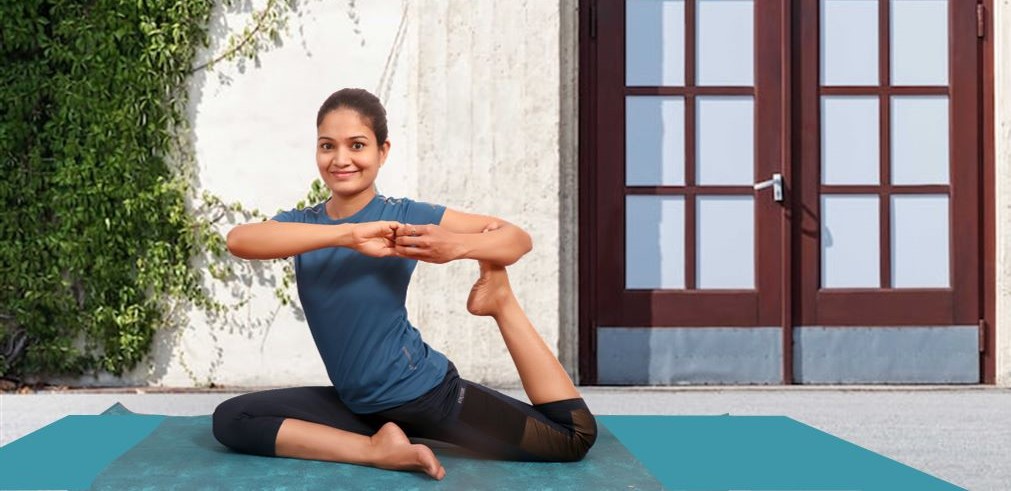
Myths in Yoga: Unraveling the Truths Behind Common Misconceptions
Introduction
Yoga, an ancient practice with roots in India, has gained immense popularity worldwide for its physical, mental, and spiritual benefits. However, along with its rise to fame, numerous myths and misconceptions have also surfaced. In this article, we will explore and debunk some of the most common myths surrounding yoga, shedding light on the truths behind these misconceptions.
Myth 1: Yoga is Only for the Flexible
Truth: Yoga is for Everyone
One prevailing myth about yoga is that it is exclusive to people who are naturally flexible. In reality, yoga is an inclusive practice suitable for individuals of all fitness levels and body types. Yoga encourages flexibility, but it also focuses on strength, balance, and mindfulness. Beginners often find that with consistent practice, their flexibility improves over time.
Myth 2: Yoga is Just About Physical Poses
Truth: Yoga is a Holistic Practice
Another common misconception is that yoga is solely about striking impressive poses. While physical postures, known as asanas, are a crucial aspect of yoga, they represent only one of the eight limbs outlined in classical yoga philosophy. Yoga encompasses ethical guidelines, breath control, meditation, and more, providing a holistic approach to overall well-being.
Myth 3: Yoga is a Religion
Truth: Yoga is a Spiritual Path, Not a Religion
Yoga is sometimes misconstrued as a religious practice. However, it is essential to understand that while yoga has spiritual roots, it is not tied to any specific religion. Yoga encourages individuals to explore their own spirituality and connect with a higher consciousness, but it does not impose a particular set of beliefs.
Myth 4: Yoga is Only for Women
Truth: Yoga is for Everyone, Regardless of Gender
There is a prevalent stereotype that yoga is primarily for women. In truth, yoga is for everyone, irrespective of gender. Many men actively practice and benefit from yoga, and various styles cater to different preferences and fitness goals. Yoga’s inclusive nature extends beyond gender, welcoming individuals from all walks of life.
Myth 5: You Have to Be Serene and Calm to Practice Yoga
Truth: Yoga Helps Cultivate Serenity, It’s Not a Prerequisite
It’s a common myth that one must already be calm and serene to practice yoga. In reality, yoga is a tool that helps individuals cultivate serenity and mindfulness. The practice itself is a journey, and it is perfectly normal to experience moments of challenge or distraction during a yoga session. The goal is not perfection but the ongoing process of self-discovery and growth.
Myth 6: Yoga is Expensive
Truth: Yoga is Accessible to All Budgets
Some believe that practicing yoga requires expensive classes, trendy clothing, and high-end accessories. However, yoga is accessible to individuals with various budgets. Many communities offer free or donation-based classes, and online resources provide affordable options for practicing at home. The essence of yoga lies in the practice itself, not in the materialistic aspects surrounding it.
Myth 7: You Need Special Gear to Practice Yoga
Truth: Minimal Equipment is Sufficient
Contrary to the belief that you need fancy gear to practice yoga, minimal equipment is usually sufficient. A comfortable yoga mat is the primary requirement, and additional props like blocks and straps can enhance the practice but are not mandatory. Yoga emphasizes simplicity, making it easy for anyone to start without the need for an extensive collection of gear.
Myth 8: Yoga is a Quick Fix for Weight Loss
Truth: Yoga Contributes to Overall Well-being
While yoga offers numerous health benefits, considering it a quick fix for weight loss is a misconception. Yoga contributes to overall well-being by promoting a healthy lifestyle, reducing stress, and improving mindfulness. While physical activity is an integral part of weight management, a balanced diet and consistent exercise routine are equally crucial.
Frequently Asked Questions (FAQ)
Q1: Can I practice yoga if I’m not flexible?
Absolutely! Yoga is for individuals of all flexibility levels. With regular practice, you’ll likely notice improved flexibility over time.
Q2: Is yoga only about physical postures?
No, yoga encompasses a holistic approach, including ethical guidelines, breath control, meditation, and more. Physical postures are just one aspect of the practice.
Q3: Do I need to be religious to practice yoga?
No, yoga is a spiritual path, but it is not tied to any specific religion. It encourages individuals to explore their own spirituality.
Q4: Is yoga only for women?
No, yoga is inclusive and suitable for everyone, regardless of gender. Many men actively practice and benefit from yoga.
Q5: Do I have to be calm and serene to practice yoga?
No, yoga helps cultivate serenity; it’s not a prerequisite. The practice itself is a journey of self-discovery and growth.
Q6: Is yoga an expensive practice?
Yoga is accessible to individuals with various budgets. Many communities offer free or donation-based classes, and online resources provide affordable options.
Q7: Do I need special gear for yoga?
Minimal equipment, such as a comfortable yoga mat, is usually sufficient. Additional props can enhance the practice but are not mandatory.
Q8: Is yoga a quick fix for weight loss?
Yoga contributes to overall well-being but is not a quick fix for weight loss. A balanced diet and consistent exercise routine are crucial for weight management.
Conclusion
In conclusion, debunking the myths surrounding yoga is essential for promoting its inclusivity and encouraging more people to experience its transformative benefits. Yoga is a diverse and adaptable practice that can be embraced by individuals from all walks of life, regardless of age, gender, or fitness level. By dispelling these common misconceptions, we can foster a more accurate understanding of yoga and its potential to enhance both physical and mental well-being.